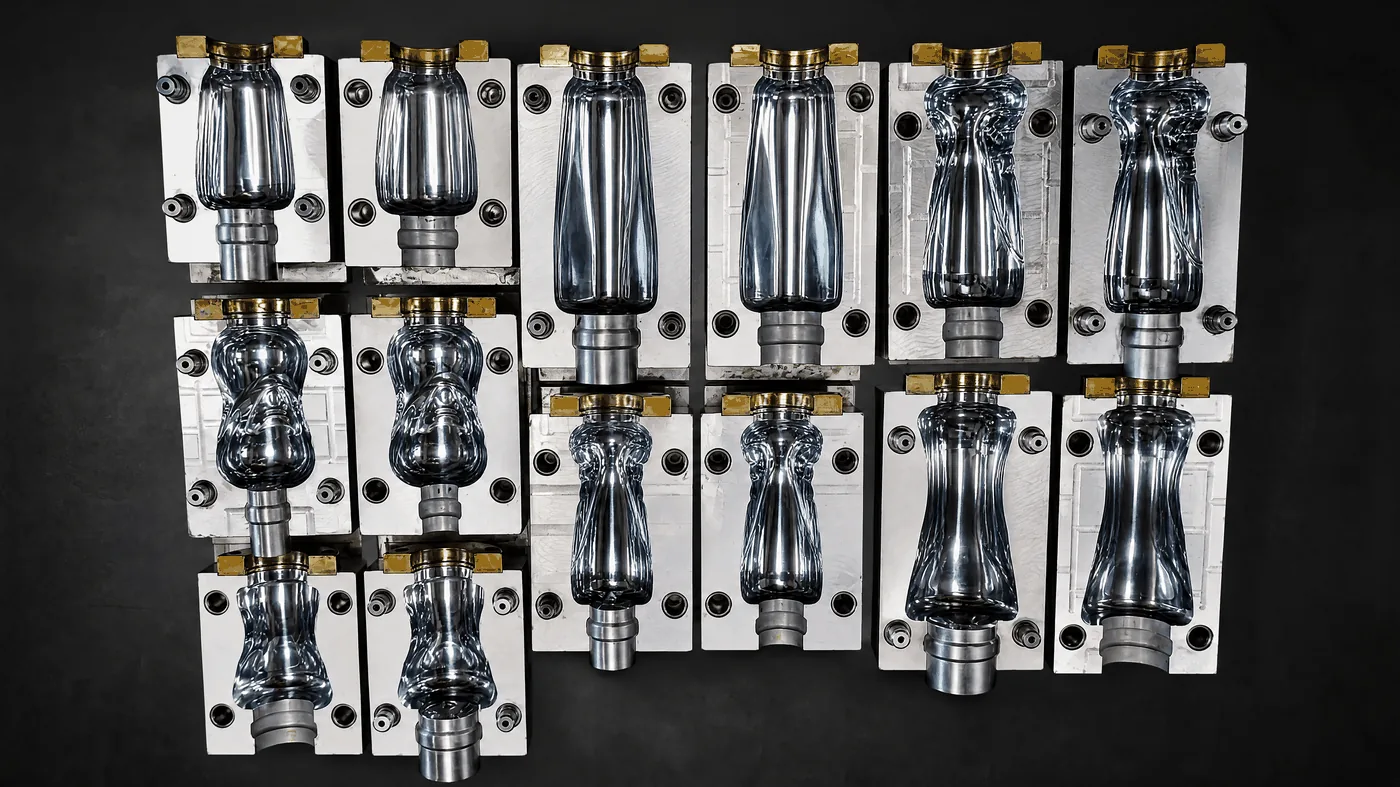
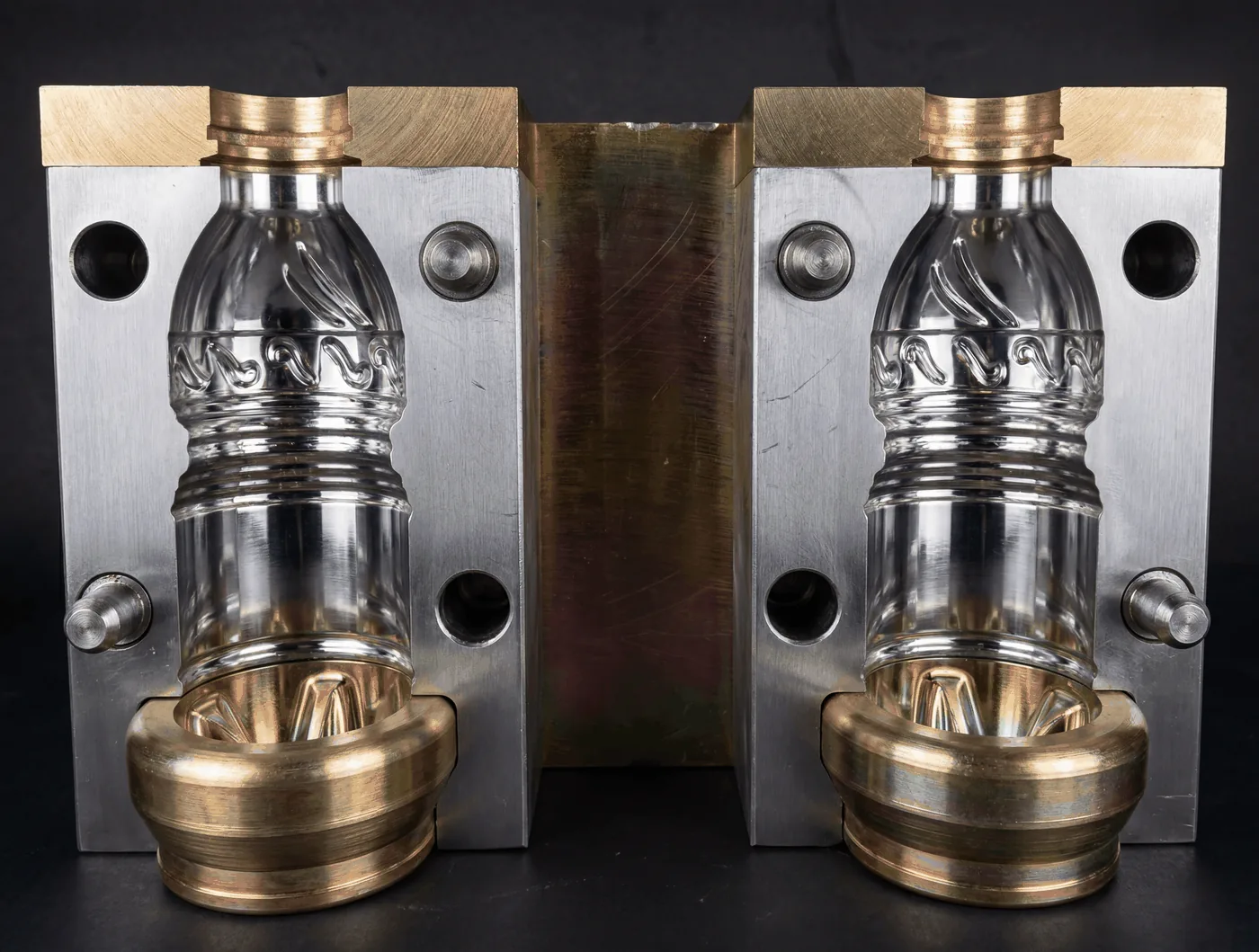
Why Choosing the Right Manufacturer Matters

A blow mould is not a commodity product you can return if it's wrong. Once machined, a mould is specific to your bottle design, your machine, and your production environment. A poorly made mould means:

Getting this decision right the first time saves you enormous time and money. Here are the 7 factors that separate a great blow mould manufacturer from an average one.

The 7 Factors to Evaluate

01

In-House vs Outsourced Manufacturing

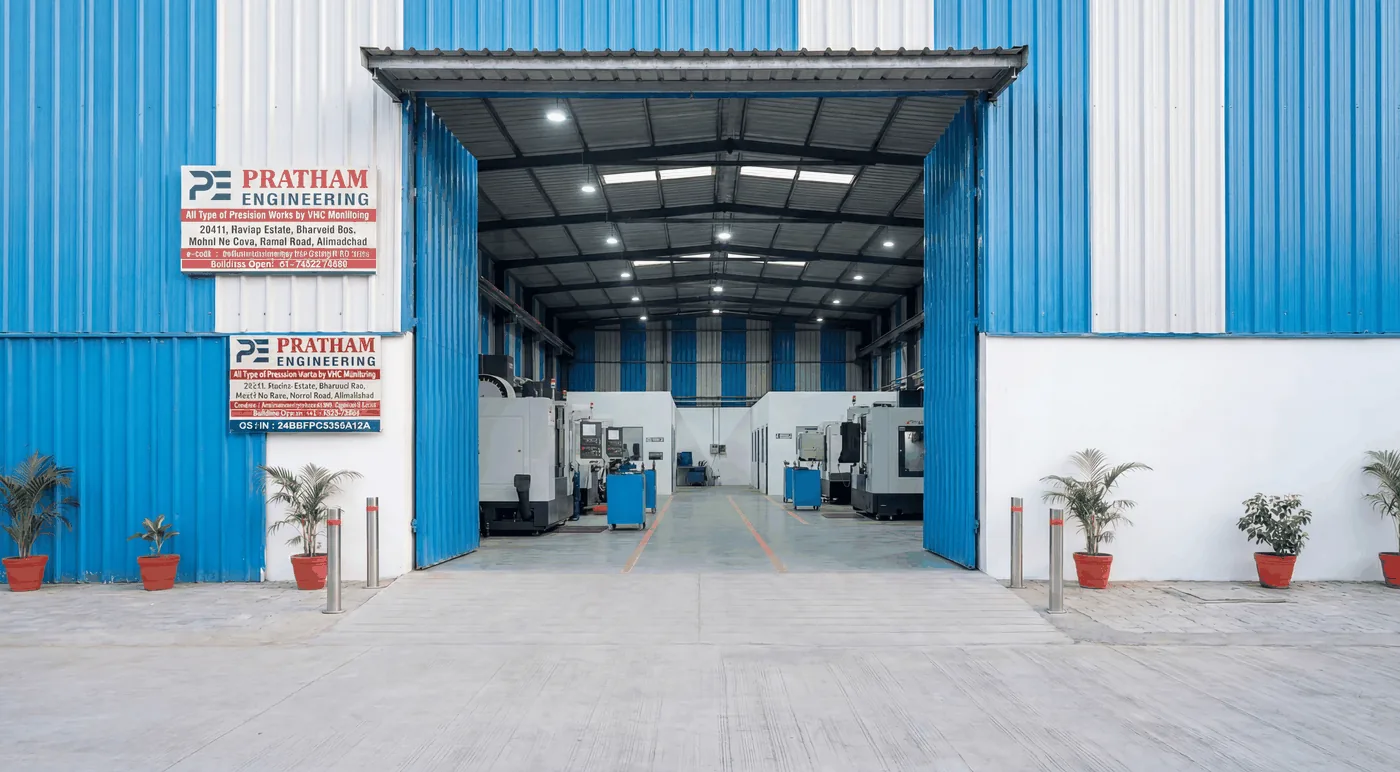
Always ask: "Do you machine the mould yourself or outsource it?" Many "manufacturers" are actually traders who send your order to a third-party CNC shop. This means zero quality control, longer lead times, and no accountability when something goes wrong. A true manufacturer like Ultra Mould handles everything โ€” CAD design, CNC machining, heat treatment, polishing, and blow trial โ€” entirely in-house at one facility.

02

Machining Precision and Tolerance

Blow mould quality comes down to machining precision. Ask for the tolerance specification โ€” a good manufacturer should achieve ยฑ0.01mm CNC tolerance on cavity dimensions. Anything worse than ยฑ0.05mm will cause wall thickness variation and production inconsistency. Ask to see their CNC equipment list and inspection methods.

03

Machine Brand Compatibility

Your mould must be precisely matched to your blow moulding machine. Always confirm that the manufacturer has experience designing moulds for your specific machine brand โ€” Sidel, Krones, Nissei ASB, SMI, Chumpower, Bekum, or others. A mismatch in pitch circle diameter, mounting pattern, or cooling channel position means the mould simply won't fit or perform correctly.

04

In-House Blow Trial โ€” Non-Negotiable

This is the single most important quality assurance step. A manufacturer who does an in-house blow trial before dispatch โ€” and sends you a sample bottle with a dimensional report โ€” is one you can trust. If a supplier ships the mould without a blow trial, you are taking all the risk. At Ultra Mould, every mould is blow-tested on our in-house machine before it leaves our factory. Always ask: "Do you include a blow trial in your standard process?"

05

Lead Time Transparency

A manufacturer with a clear, committed lead time is a sign of an organised, reliable operation. Be cautious of suppliers who give vague answers like "depends" or "will confirm later." A professional manufacturer will give you a fixed lead time from design approval โ€” typically 4โ€“6 weeks for standard moulds. Understand what is included in that timeline (design, machining, trials, dispatch) and get it in writing.

06

Material Specification Transparency

Ask exactly which grade of material is used. For PET moulds: aerospace-grade aluminium (7075 or 2024 series) or P20 pre-hardened tool steel. For HDPE moulds: P20 or H13 tool steel. A manufacturer using inferior cast aluminium or unknown-grade steel will produce a mould that wears out prematurely โ€” often within the first year. Always ask for the material grade and supplier certificate.

07

After-Sales Support and Warranty

What happens if the mould has an issue 6 months after delivery? A serious manufacturer backs their product with genuine after-sales support โ€” mould repair, cavity reconditioning, and technical assistance available remotely or on-site. Ask clearly: "What is your warranty and what support do you provide post-delivery?" Vague answers are a red flag.

โœ… Quick Checklist โ€” Before You Place Your Order

Red Flags to Watch Out For

Ultra Mould Meets All 7 Criteria

100% in-house manufacturing ยท ยฑ0.01mm precision ยท In-house blow trial standard ยท 4โ€“6 week committed lead time ยท Full after-sales support. Based in Ahmedabad, Gujarat โ€” serving all of India and exporting to 20+ countries.