โœ• Products Why Us Process Exports Contact +91 63529 44710

LIGHTWEIGHTING PET BOTTLES IN INDIA โ€”
SAVE COST, STAY COMPLIANT

How Indian beverage and FMCG companies are reducing PET bottle weight by 10โ€“30% without sacrificing performance โ€” and how the right mould design makes it possible.

๐Ÿš€ Optimise Your Bottle Design ๐Ÿ’ฌ WhatsApp Us
๐Ÿ“… March 2026โฑ 6 min read๐Ÿท Lightweighting ยท Cost Saving ยท PET Design

What Is Lightweighting in PET Packaging?

Lightweighting refers to the engineering process of reducing the weight (and therefore material cost) of a PET bottle while maintaining or improving its performance โ€” strength, barrier properties, stacking stability, and consumer experience. It is one of the most impactful cost-reduction strategies available to Indian beverage and FMCG manufacturers.

A 1-gram reduction in a 500ml water bottle's preform weight saves โ‚น1.50โ€“โ‚น2.00 per bottle (based on current PET resin prices of โ‚น110โ€“โ‚น130/kg). For a plant producing 1 million bottles per month, that is โ‚น15โ€“โ‚น20 lakh per month in direct material savings. The mould design is the key enabler of lightweighting.

๐Ÿ’ก Amul reduced their ghee bottle weight by 18% through mould redesign in 2022, saving crores in annual PET resin costs while improving bottle aesthetics.

How Mould Design Enables Lightweighting

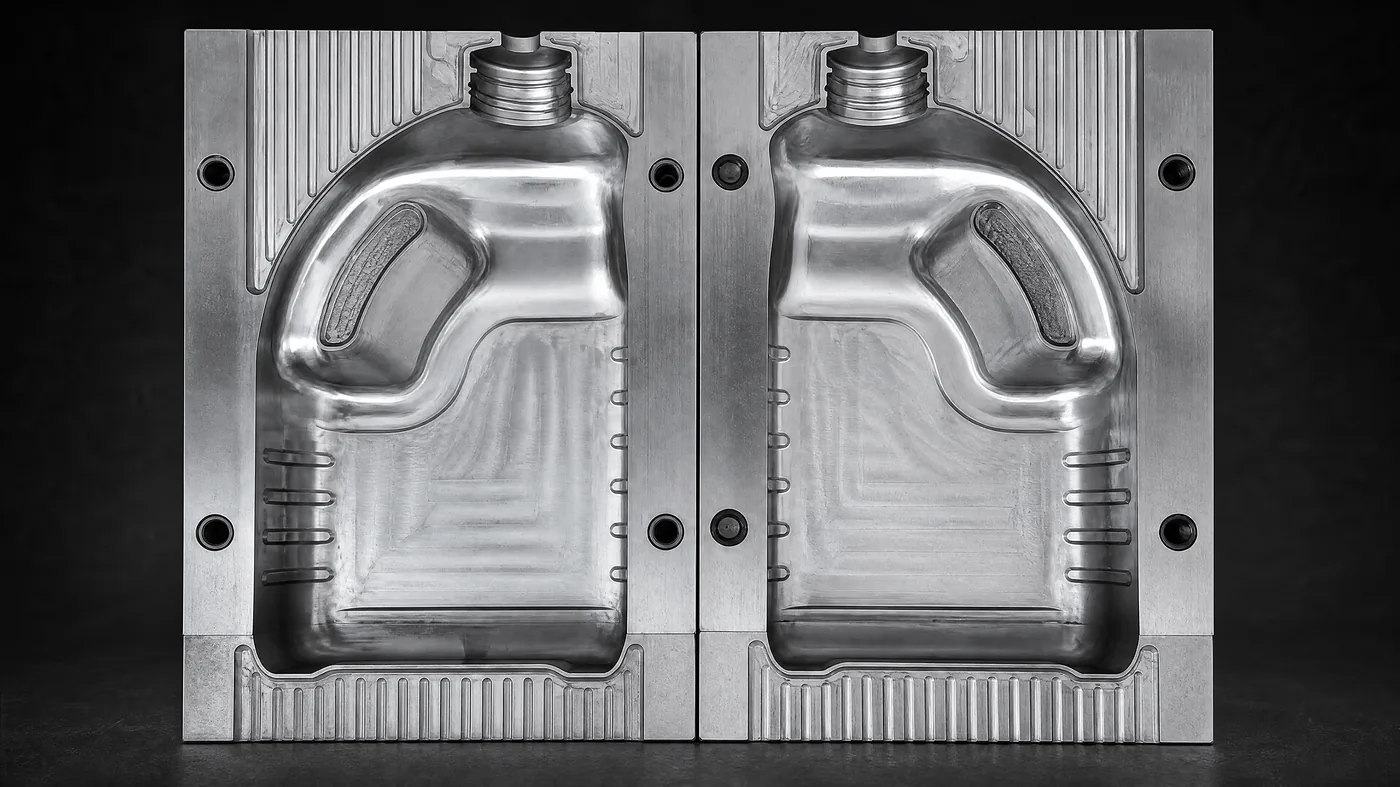
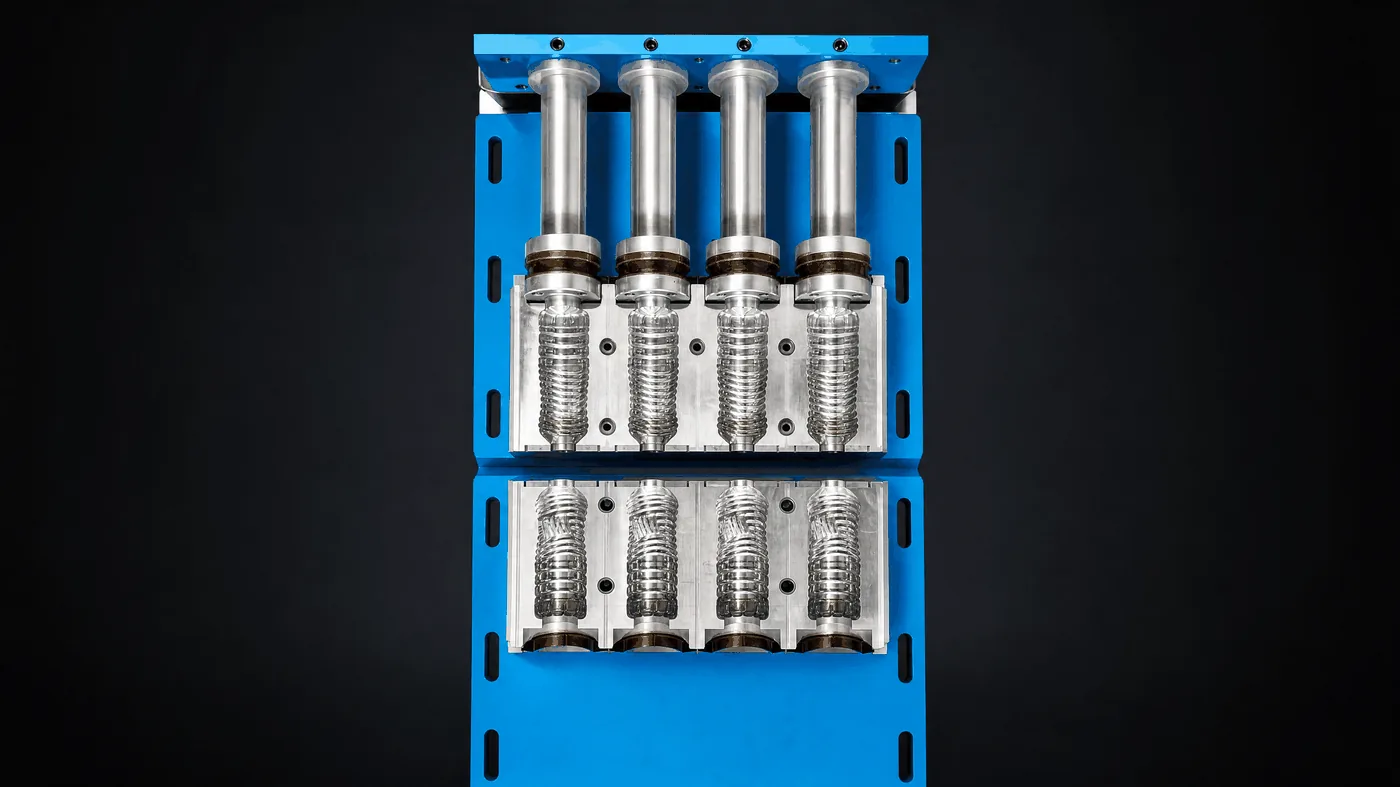
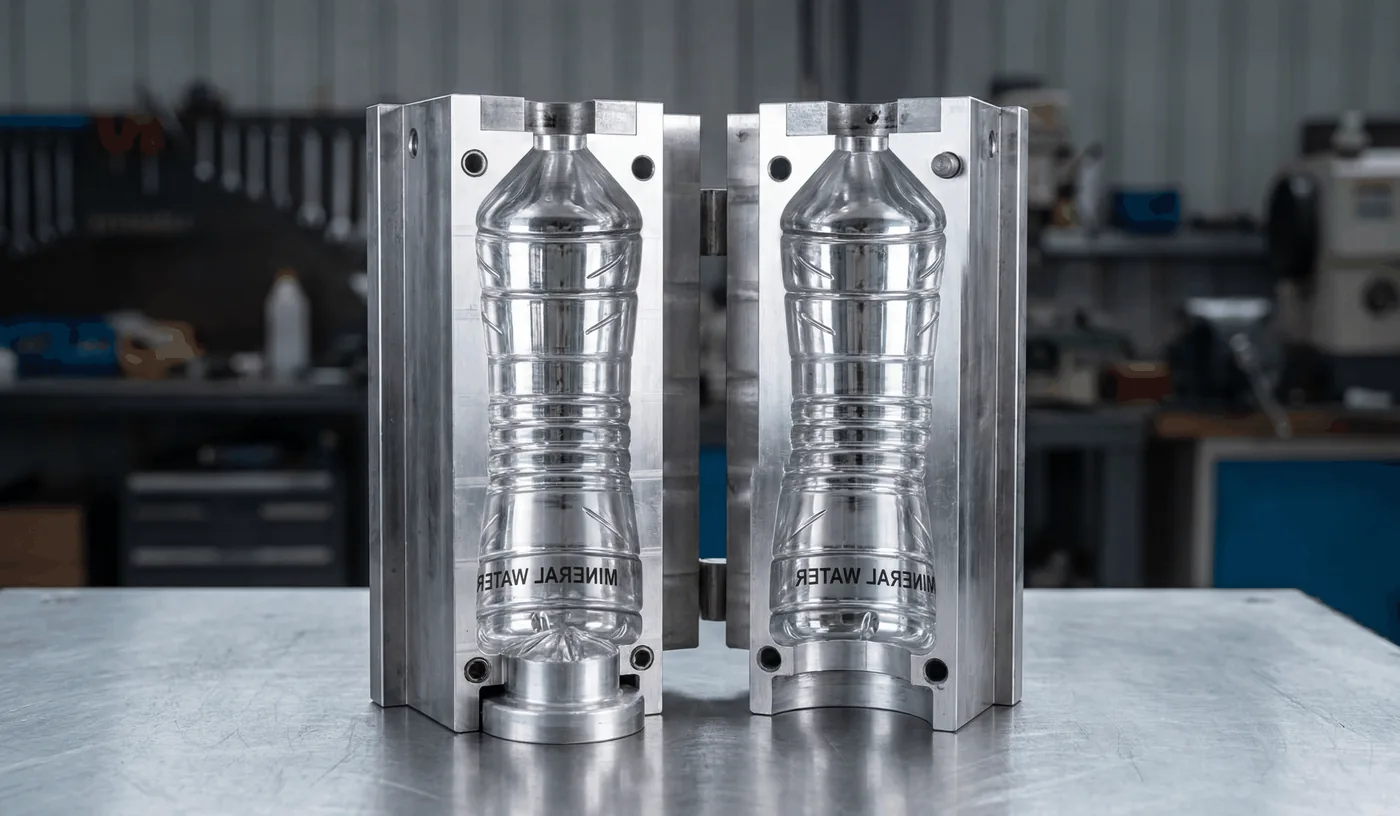
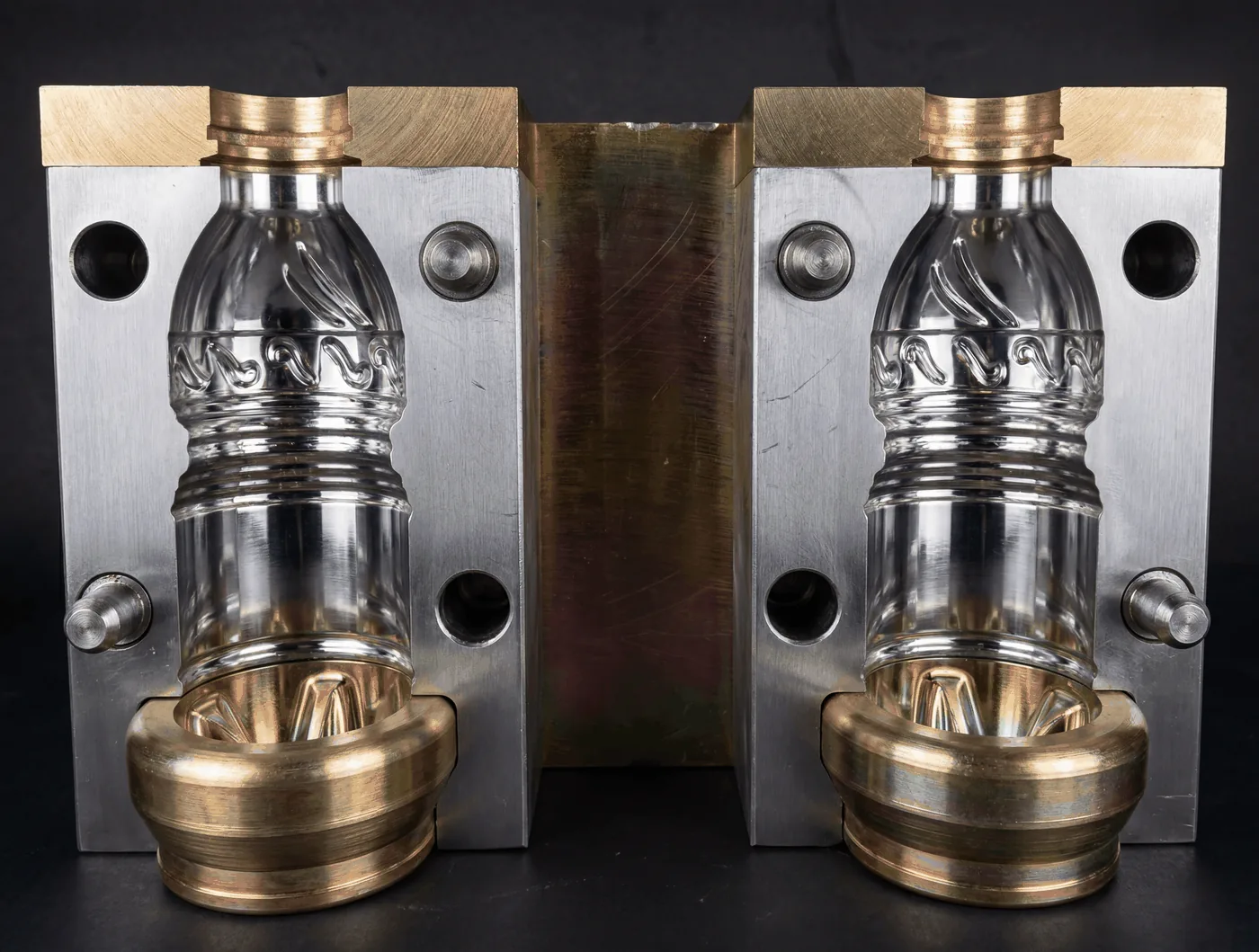
The blow mould determines the final bottle shape, wall distribution, rib patterns and base geometry. A skilled mould designer can incorporate features that allow the same preform weight to produce a structurally stronger bottle โ€” effectively achieving the same performance at lower weight. Key mould design elements for lightweighting include:

  • Optimised stretch ratios: Correct axial and hoop stretch maximises PET molecular orientation, increasing strength per gram
  • Vertical rib patterns: Ribs on bottle sidewalls dramatically increase column strength without adding weight
  • Label panel vacuum panels: For hot-fill bottles, vacuum panels absorb deformation instead of thicker walls
  • Petaloid base optimisation: For CSD bottles, optimised petaloid geometry maintains burst pressure at lower wall thickness
  • Grip zones: Waist indentations improve consumer grip while reducing material in non-structural zones

BIS Compliance During Lightweighting

Indian manufacturers must ensure that lightweighted bottles still meet BIS IS:14543 (for PDW) or IS:2818 (for carbonated beverages) requirements. Key compliance checkpoints include minimum wall thickness (as specified by BIS), top-load strength for stacking, burst pressure for CSD bottles, and top-load requirements for retail shelving. Ultra Mould's design team is familiar with all BIS requirements and ensures lightweighted mould designs remain compliant.

Typical Weight Reductions Achieved by Ultra Mould Clients

Bottle TypeOld WeightNew WeightSaving/bottle
500ml Water14g10.5gโ‚น0.42
1L Water28g22gโ‚น0.72
2L Water48g38gโ‚น1.20
1L Edible Oil35g28gโ‚น0.84
500ml CSD32g26gโ‚น0.72

Ultra Mould has been helping Indian packaging companies reduce PET bottle weight and material costs through precision mould engineering for 10+ years. Contact us to discuss how lightweighting can benefit your production.

Ready to Order Your Next Blow Mould?

Share your current bottle specifications. Our engineers will show you how much weight (and cost) you can save.

๐Ÿ’ฌ